Another common theme at this year’s SXSW Music was the idea of ownership. Ownership of your craft, your product, and even your fans.
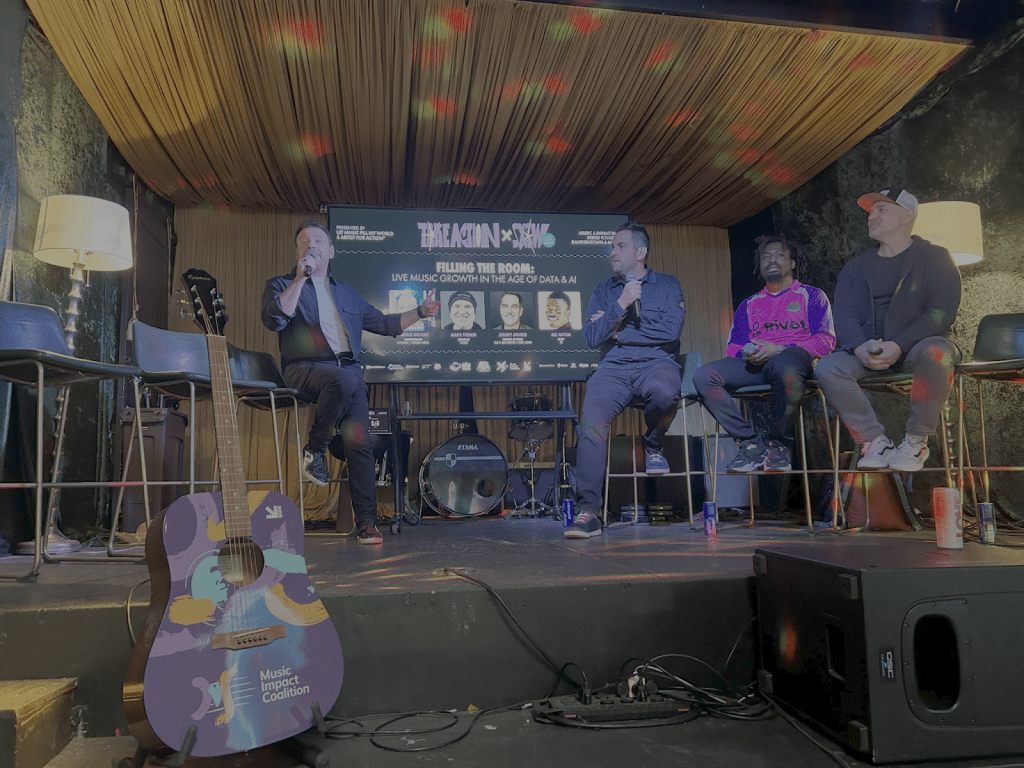
At Inn Cahoots’ Take Action series, the panel “Filling the Room: Live Music Growth in the Age of Data & AI” was all about owning the fan. This panel was moderated by Fabrice Sergent of Bandsintown (who I had the pleasure of interviewing afterward) and featured speakers Mark Steiner of GigSalad, Jeremy Gruber of Friends at Work, and Anj Fayemi of Rivet.
Jeremy believes that the artist should own the data for the people who buy their stuff. He believes that email lists are the best way to keep in touch with fans and the best way to gather data. Ticket data only represents 50-60% of everyone in the room, with people buying for friends, parents buying for kids, and other scenarios. He recommends utilizing emails for tour presales and platforms like Bandsintown, set.live and set.tools, and Seated. And if you can’t afford a platform, there are free options like Substack, which allow people to subscribe to you and have the potential to generate revenue.
Anj comes from an interesting background, studying engineering at MIT. He created Rivet for artists to better serve their “customers,” or fans. The more an artist knows about their fans, the better the fan experience will be. They want to utilize data to create a robust view of the fans and even personalize experiences to individual fans.
Mark also agrees that controlling the narrative, direct content, and having an email list is far superior to social media today. He started in the business in the before times, before the internet, when marketing was marquees, newspapers, and flyers. When he first created a website as a booking agent, he was inundated with requests. He has parlayed this into his work at GigSalad, helping anyone from beginners to people who make a full-time income on the platform.
My short interview with Fabrice can also be seen below.
Both panels I attended on the last day of the festival were about ownership. “Owning Your Narrative: Global Strategies for Indie Artists” included a lot of debate from the panelists regarding authenticity in the music business and how to be as successful as you want to be.
This panel featured Guji Lorenzana from Symphonic Distribution, Pedro Kurtz from Deezer, Adel Hattem from DMusicMarketing (DMM), and Mark Feist of Hitmakers Entertainment.
I say there was a lot of debate in this panel because each of the four panelists seemed to have a different idea of what authenticity means to an artist, their fans, and their business partners, such as distributors. They all agreed on the idea that with 180,000 songs coming out on DSPs A DAY, the best way to rise above that is to make sure the music is good. As with the Take Action panel, they also agreed that knowing your target audience is essential.
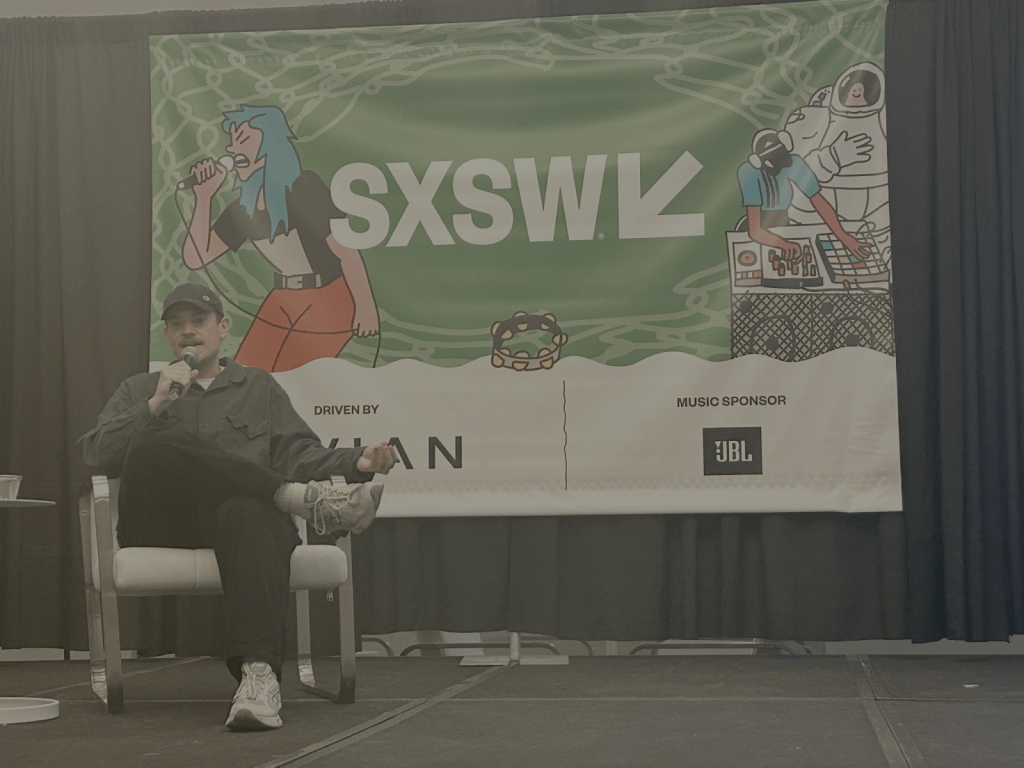
The last panel of the festival for me wasn’t a panel at all, it was “Own the Fan, Own the Future: Artists Building Loyalty” presented solely by Connor Hachey of Virgin Music Group. A man after my own heart, he came prepared with a great, informative Powerpoint.
An interesting stat that he gave regarding engagement on social media is that in the last year, AI tools have enabled +40% the amount of content on social platforms, making it harder than ever to break through the noise and gain organic reach. Another important reminder that he gave is that social platforms like TikTok are there to keep people on TikTok. Going viral on there doesn’t necessarily translate to success, either in the short term or the long term. People hearing your song on TikTok doesn’t mean they’ll go outside of the platform (i.e. Spotify, Apple Music) to find you and listen to your other tracks.
Connor also gave examples of way to own your fan data: music pre-saves, tour pre-sales, link in bio, D2C store, before checkout, after checkout, listening parties, fan UGC upload tools, fan activations, digital partnerships, and sweepstakes. Some platforms that he recommended were Rivet, co:brand, Openstage, Laylo, Community, Klaviyo, and Mailchimp.

 Officially Stefny
Leave a comment